Art therapy offers a non-verbal way to process complex emotions, making it a powerful tool for healing in addiction recovery.
By engaging in creative expression, individuals can explore underlying issues, reduce stress and build self-esteem without needing to find the right words.
For many individuals navigating the challenging path of addiction recovery, expressing deep-seated emotions like shame, grief, or anger can feel impossible. Traditional talking therapies are vital, but sometimes the feelings are too complex, too difficult to bring out or buried too deep to be verbalised. This is where art therapy offers a powerful and gentle alternative.
When Words Fail, Art Can Speak
Art therapy is not about creating a masterpiece or being a talented artist. It is about the process. It provides a safe and non-judgmental space to explore your inner world through painting, drawing, sculpture, or other creative forms. For those healing from addiction, it can be a transformative way to process trauma, understand triggers and reconnect with a sense of self that may have been lost.
What is Art Therapy and How Does It Work?
Art therapy is a form of psychotherapy that uses the creative process of making art to improve a person’s physical, mental and emotional well-being. Sessions are led by a trained art therapist and are designed to help individuals explore emotions, develop self-awareness and cope with stress.
Addiction often serves as a way to numb painful feelings or escape from difficult realities. So when a person stops using substances, these emotions can resurface with overwhelming intensity. Finding a healthy way to manage these emotions when they resurface is crucial for preventing relapse.
Art therapy is designed to provide an outlet for these feelings particularly when words can be difficult. The act of creating something can help you:
- Externalise difficult emotions: A feeling that is too scary to talk about can be expressed through colours, shapes or textures. Seeing it on paper can make it feel more manageable.
- Access the subconscious: The creative process can unlock thoughts and memories that you may not have been consciously aware of, helping to identify the root causes of addictive behaviours.
- Process trauma safely: For many, addiction is linked to past trauma. Art can provide a way to work through traumatic memories in a symbolic and less direct way, reducing the risk of being re-traumatised.
The important thing to note is that the therapist’s role is not to interpret the art. They’re not there to judge you or arrive at conclusions based on the colours or shapes you use. Instead they can guide you in exploring what the art-making process and the finished piece mean to you. It is a collaborative journey of discovery.
How Does a Typical Art Therapy Session Work?
While there might be some differences between therapists there are some common themes. Sessions typically last an hour and are usually split between creative expression and reflection. They can be run as a one-on-one session or in a group setting.
At the start of the session, the therapist may set a theme or prompt to guide the creative process, or they may allow the client to choose freely what they wish to create. The type of art can vary from drawing, painting, sculpting or collaging and there is no requirement for artistic skill or experience! The emphasis is not on producing a “good” piece of art but on the process itself and what it reveals about thoughts and emotions.
Once the artwork is completed, the client and therapist may discuss it together. This reflection is an opportunity to explore any feelings, memories, or insights that arose during the creative process.
The Benefits of Art Therapy in Recovery
The benefits of art therapy are incredible and vast. For those who may struggle with words it can really help to provide a different platform to explore emotions. Even for those who may be OK with talking, art therapy can provide an outlet for anxiety and help to provide a calming space.
- Reduces stress and anxiety by calming the nervous system and lowering cortisol levels, offering relief during early recovery.
- Builds self-esteem and confidence by creating something tangible, fostering a sense of accomplishment and pride.
- Provides a healthy coping mechanism for managing stress and triggers, replacing substances with creative expression.
- Improves emotional regulation by safely expressing and processing emotions through art, building resilience.
- Fosters self-discovery by reflecting inner thoughts and gaining insight into personal struggles and behaviours.
You Don’t Necessarily Need An Art Therapist To Get Started!
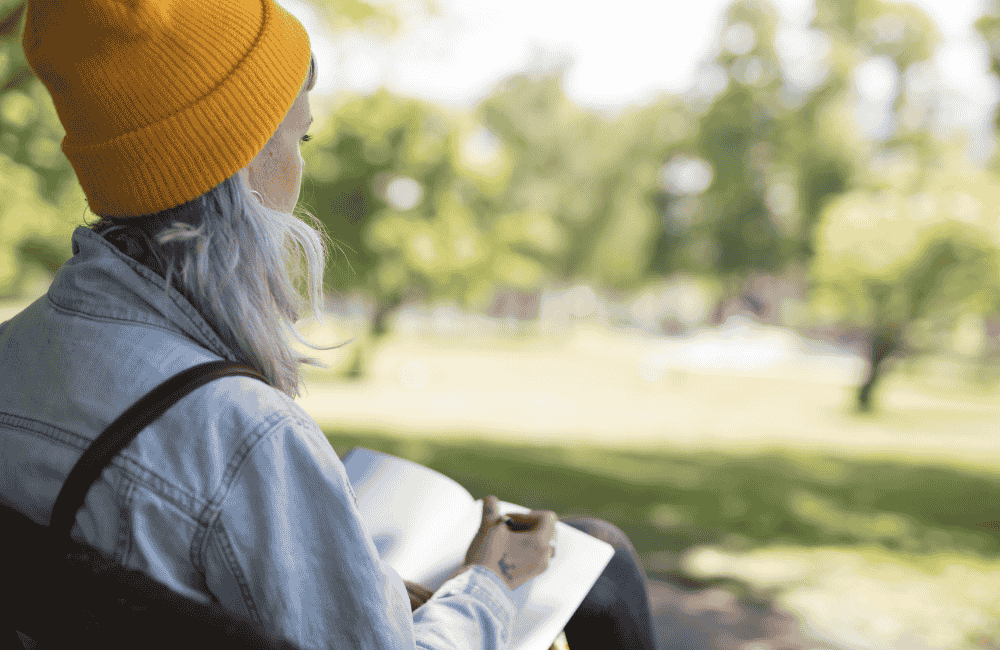
You don’t need to be in a formal therapy session to experience the healing power of art. While art therapists provide valuable guidance and support in uncovering deeper insights, doing simple creative practices into your daily life can also offer meaningful and ongoing support for your recovery.
1. Start an Art Journal
An art journal is a private space where you can experiment without pressure. You can use it to draw, paint, collage or simply scribble. Try creating a daily entry that represents your mood or a significant feeling from your day. There are no rules!
2. Explore Different Materials
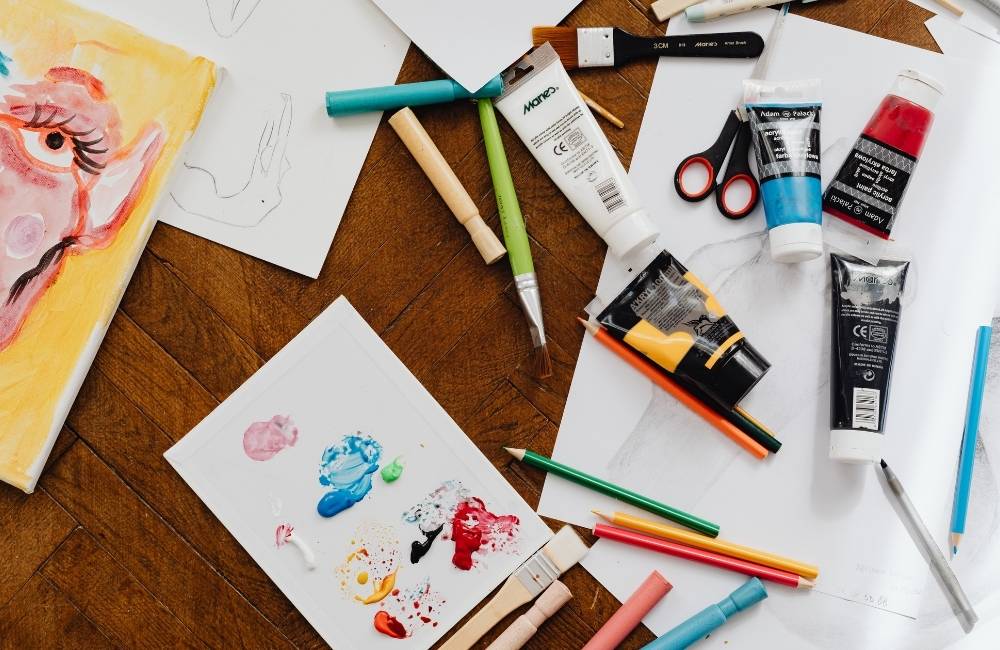
You do not need expensive supplies. Simple materials can be just as effective.
- Pencils and paper: For sketching thoughts or feelings.
- Watercolours or acrylics: For expressing emotions through colour.
- Clay or plasticine: For moulding and sculpting, which can be a very grounding and physical way to release tension.
- Collage: Cutting and pasting images from magazines can help you create a visual representation of your hopes for the future or your recovery journey.
3. Focus on the Process, Not the Product
Let go of any expectation that you need to create something “good.” The goal is expression, not perfection. Allow yourself to be playful and curious. If you feel stuck, try making random marks on the page or painting with your non-dominant hand to bypass your inner critic.
4. Join a Group or Workshop
Creating art alongside others can be a wonderful way to connect and reduce feelings of isolation that are common in recovery. Look for local community art classes or workshops.
A Creative Path to Healing
For more information about the addiction treatment we provide at Broadway Lodge, including our holistic therapies, download our brochure or get in touch. We’re here for you, every step of the way.